Handcrafted Relief Tablets: Transforming History, Legends, and Cultural Heritage into Touchable Art

The memory of a culture does not live only in books, archives, or museums. Sometimes it is preserved in the raised pomegranate motif on a stone surface, sometimes in a winged figure, and sometimes in a small detail reminiscent of the door knocker of an old village house. This is precisely why handcrafted relief tablets hold a special place. They tell a history that can be seen, touched, and felt.
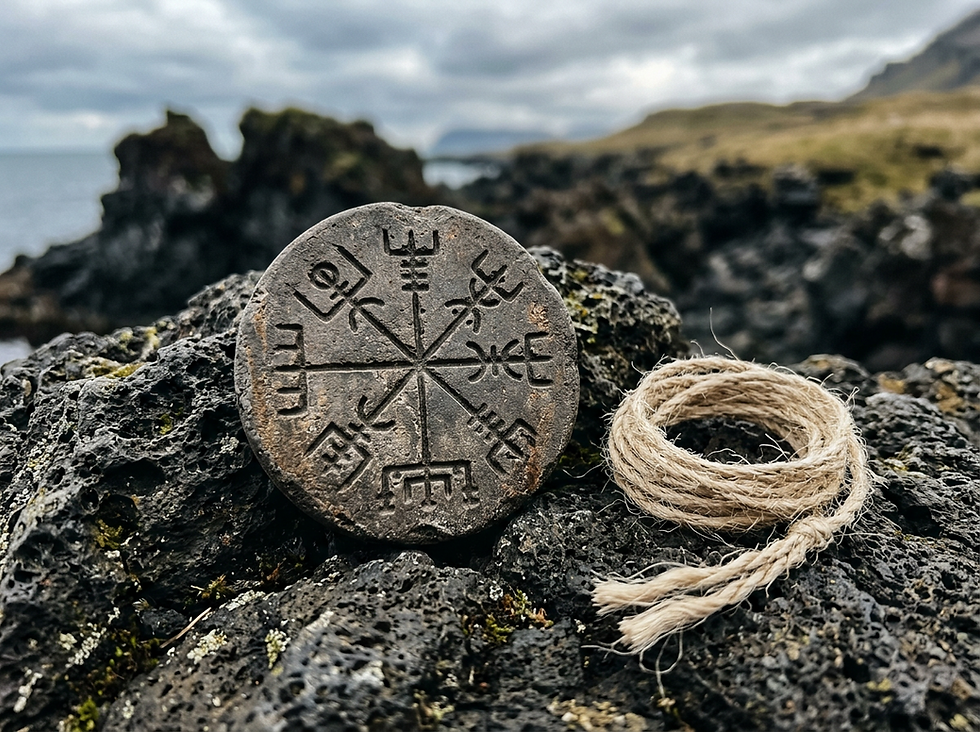
These tablets are much more than decorative objects hung on a wall. Every surface shaped in the hands of a master carries a trace of the past. A mythological scene, an ethnographic motif drawn from the daily life of a region, a symbolic plaque created in memory of a lost loved one, or a folk story passed down through generations can transform into a lasting object in relief form.
From the perspective of art history, relief is a very old form of storytelling. From cave walls to temple friezes, from funerary steles to monumental panels, many cultures have entrusted their visible memory to raised surfaces. Today’s hand-cast relief tablets can also be seen as a contemporary and accessible continuation of this long tradition.

Why do relief tablets make history tangible?
Relief derives its power from the relationship between surface and shadow. In a flat painting, lines and colors come to the fore. In relief, however, the form changes with the light. It looks different in the morning and in the evening. A curve traced by the fingers can reveal a detail the eye might miss.
This quality is especially valuable for telling history. Because history is not only information. It is a sense of place, the impression of a ritual, the everyday objects of an era, and the way a community expresses itself. Relief tablets gather these traces on small but richly concentrated surfaces.
Consider an example. A tablet featuring an olive branch, a wave pattern, and an ancient amphora can say a great deal about Mediterranean life. The olive branch evokes abundance, the wave the sea, and the amphora trade and culinary culture. The tablet does not explain these concepts one by one. It brings them together on the same surface, allowing the viewer to connect the pieces.
Handcrafted relief tablets are particularly powerful because of this act of making connections. Each is an object with small variations, far from machine-made perfection. The texture along the edge, a mold mark, a hand-smoothed surface, or a subtle variation in the paint gives the work the feeling of having been made by human hands. When this feeling combines with historical and cultural themes, the tablet appears more intimate.
Ancient reliefs seen in museums are often distant, protected, and untouchable. Hand-cast tablets placed in homes, cultural centers, art studios, or memorial corners, however, blend into everyday life. Thus, cultural heritage ceases to be merely a displayed object and becomes an active part of the living space.
Material choice changes the tone of the story
The feeling conveyed by a relief tablet does not depend solely on its motif. The material used also defines the language of the story. A hard surface with the feel of stone speaks in one way. A softer, matte, and smoother form creates a different effect.
Stone powders, mineral fillers, and binders are frequently used in hand-cast cultural tablets. They give the work both durability and a natural appearance.
Micronized calcite gives the surface a refined character
Micronized calcite is a mineral filler made from very finely ground calcium carbonate. It is preferred in artistic casting because it produces clean and detailed results on the surface. Fine relief lines, small inscriptions, braid-like motifs, and geometric borders can be perceived more clearly.
This material works especially well as a base for pieces that require a textured surface. It can provide a matte, stone-like appearance. Combined with paint, patina, or aging techniques, it strengthens the feeling of an antique object.
Marble powder recalls the weight of stone
Marble powder creates a more classical and sculptural effect in relief tablets. Marble has strong cultural associations. It is linked to ancient statues, gravestones, temple fragments, and architectural ornamentation. For this reason, a tablet containing marble powder can convey a sense of historical weight even on a small scale.
The aim here does not necessarily have to be imitation of an ancient work. Rather, the calm and lasting effect of a natural mineral texture is sought. A memorial plaque, family emblem, or panel featuring a mythological figure can gain a more dignified expression with marble powder.
Surface treatments complete the story
After the material is cast, its true character often emerges through surface treatments. The artisan may gently highlight the raised areas, add dark tones to the recesses, or create a broken-stone effect along the edges. Some tablets preserve the natural whiteness; others use earth tones, a copper effect, or oxidized green tones.
These treatments define the motif’s sense of period. For example:
Material and surface approach | Feeling conveyed | ||
Micronized calcite and matte white surface | Ancient symbols and inscription-inspired tablets | ||
Marble powder and light aging | Lasting, monumental, dignified | ||
Mineral blend and earth tones | Local, warm, handcrafted | Ethnographic motifs and village life | |
Dark patina and light relief highlights | Derinlikli, dramatik |
Motifs are short sentences in cultural memory
A relief tablet has a limited surface. For this reason, the chosen motifs should be strong and easy to read. Every detail says something. Using too many motifs can tire the narrative. A few precise symbols leave a more lasting impression.
Ethnographic motifs carry everyday life
Ethnographic motifs reveal traces of a community’s way of life. Woven patterns, farming tools, door ornaments, amulet forms, lines from traditional clothing, ceramic vessels, and musical instruments can all belong to this group.
These motifs recall everyday life more than grand historical narratives. The arched window of a village house, a stone street, a bunch of grapes, or a hand mill are simple yet powerful details from the past. Especially around the Mediterranean and Anatolia, forms such as olives, pomegranates, vine leaves, the sun, birds, and waves are common themes in cultural tablets.
These motifs also carry meaning in home décor. They do not merely look beautiful. They evoke a region, family roots, or a childhood memory.
Regional stories create scenes on the surface
Some tablets tell a small scene rather than presenting a single symbol. A sailboat approaching a harbor, a village nestled at the foot of a mountain, an old wedding procession, a marketplace, or harvest time can serve as a visual summary of regional stories.
In cultural crossroads such as Cyprus, Anatolia, the Aegean, and the Eastern Mediterranean, stories are layered. Maritime trade, migration, craftsmanship, faith, and family structure can meet within the same narrative. A relief tablet can carry these layers symbolically.
For example, a tablet bringing together a lemon branch, a stone house, and a dove may represent the idea of peace associated with a particular village or region. When a date, name, or short phrase is added to the same tablet, the work becomes a personal object of remembrance.

Memorial plaques and symbols create a quiet memory
Relief tablets can carry not only cultural stories but also personal and collective memories. Memorial plaques require particular sensitivity in this regard. Because a commemorative object should be respectful, simple, and lasting rather than showy.
The following elements can be used on a memorial plaque:
A simple symbol representing the family or the person’s profession
Material choice also carries meaning in these kinds of tablets. A matte surface containing marble powder strengthens the sense of a monument. Lightly distressed edges create a feeling of a bond formed over time. Natural and calm textures may be more suitable than highly polished surfaces.
Memorial symbols vary from culture to culture. In some places, laurel evokes honor and remembrance. An olive branch suggests peace and continuity. A bird may be associated with freedom, the journey of the soul, or the idea of carrying a message. Using these symbols requires a respectful balance. The tablet should serve to carry the memory rather than decorate grief.
The tactile nature of relief takes on a special meaning here. Sometimes people want to touch a name. Raised letters make the act of remembrance physical. This creates a quiet yet powerful connection.
Mythology and legends give the tablet a timeless language
Mythology and legends give the tablet a timeless language
Mythological narratives are a particularly suitable source for relief tablets because myths are often conveyed through powerful imagery. Winged figures, snakes, sun disks, sacred trees, sea creatures, heroes, goddesses, and protective beings can look striking on a raised surface.
In ancient Mediterranean cultures, mythology did not belong solely to the realm of belief. It was a narrative form that explained fundamental aspects of life such as sea travel, agriculture, abundance, death, birth, war, love, and justice. Today, these themes can be reinterpreted in artistic tablets.
A figure of a sea god can represent coastal culture and the journey. A composition inspired by a goddess of abundance can tell a story of the earth and production. Symbols of the sun and moon recall the cycle of time. Labyrinth-like patterns carry the idea of searching and returning.
What matters here is not to use the mythological figure merely as decoration. A good tablet also hints at the story behind the figure. The direction of the waves, the character’s posture, the plants around it, and the border patterns all contribute to the narrative.
Tactile art pieces go beyond seeing
Tactile art pieces go beyond seeing
Tactile art invites the viewer not only to look but also to feel the surface. Relief tablets are a powerful medium in this sense. The height of the raised forms, the contrast between rough and smooth areas, the softness of the edges, and the small gaps across the surface make the work physically readable.
This quality can make the experience of visual art more inclusive. Not every tactile work is fully accessible to everyone, but a perceptible surface enriches the ways people connect with art. Especially in educational cultural collections, students and visitors can perceive not only the shape of a motif but also its structure.
An ancient inscription-inspired tablet used in an archaeology workshop, a panel featuring regional motifs in a museum shop, or a family-story tablet displayed at the entrance of a home are different examples of tactility. Each conveys cultural knowledge through an object.
Collections expand the story piece by piece
Collections expand the story piece by piece
A single relief tablet can create a powerful narrative. Tablets designed as a collection, however, tell a broader cultural story. Each piece works like a chapter. Seen together, they make a region, period, or theme appear richer.
Story-driven cultural tablet collections can be designed through several different approaches:
The symbols of a region
Symbols such as olives, pomegranates, waves, stone houses, the sun, and ceramic forms can be featured throughout the same series. Each tablet is meaningful on its own; placed side by side, they establish the cultural identity of the region.
The scenes of a legend
Key moments from a mythological or folk narrative can be divided into separate pieces. The first tablet can depict the journey, the second the trial, and the third the return. This approach creates a visual narrative sequence on the wall.
A family or community memory
Elements such as a migration route, an old house, a profession symbol, a family tree, and a memorial plaque can come together in the same collection. Such works unite personal history with cultural heritage.
A museum or educational set
Ancient motifs, writing systems, architectural details, or traditional crafts can be presented as small tablets. In this way, learning is supported through objects.
Harmony is very important in collection design. Not every piece has to be the same color, but their dimensions, edge treatment, surface texture, or border logic should be similar. This turns the collection into a cohesive narrative rather than a group of scattered objects.
Handcraft gains value through small differences
In hand-cast relief tablets, small differences are not flaws but character. Even two pieces made from the same mold become distinct through sanding, patination, coloring, and final touches. This is especially important in cultural and commemorative works, because what they represent is not uniform. Every region, family, and legend has its own tone.
The quality sought in a tablet is not merely a flawless cast. The motif must be chosen meaningfully, the material must suit the theme, the surface must be legible, and the craftsmanship must support the narrative. A well-made relief tablet reveals new details the longer it is viewed. At first, the main figure appears. Then the small bird at the edge, the wave in the background, or the faint shadow of the lettering comes into view.
These works also make meaningful gifts. Instead of an ordinary decorative object, they offer something connected to a person’s roots, a place they love, someone they have lost, or a story they believe in. For this reason, cultural tablets find a natural place in homes, boutique hotels, art galleries, museum shops, and memorial spaces.
Handcrafted relief tablets are an elegant way to hang the past on a wall today. Materials such as micronized calcite and marble powder add a sense of stone and permanence to the narrative. Ethnographic motifs, regional stories, memorial symbols, and mythological legends give the surface its soul.
A tablet may be small. Even so, it can carry the scent of a place, a family memory, the shadow of a legend, and the continuing voice of a culture. Looking at it is only the beginning. Its true effect emerges as you follow the relief across the surface: sometimes history is best read with the fingertips.


Yorumlar